We have been trying to write this post for weeks. Every time we got close to finishing it, something changed. As we approach the discussion on energy bills 2026, the landscape continues to evolve.
The situation in the Middle East has moved quickly and kept moving. When conflict broke out, Brent crude jumped around 15% in the opening days, then surged to $120 a barrel as the market began pricing in the risk of sustained disruption to the Strait of Hormuz. European gas storage was already at its lowest level in years following a harsh winter, and Dutch gas benchmarks nearly doubled to over €60 per megawatt hour by mid-March. Since then the picture has shifted repeatedly. The World Bank’s baseline assumption is that shipping through the Strait of Hormuz gradually returns to near-normal levels by October, but it acknowledges the risks are markedly tilted towards higher prices. Energy prices are now projected to surge 24% in 2026, reaching their highest level since Russia’s invasion of Ukraine. Every time the situation looked like it might stabilise, something moved again. That is why this post kept getting pushed back as we consider how all these factors impact energy bills 2026.
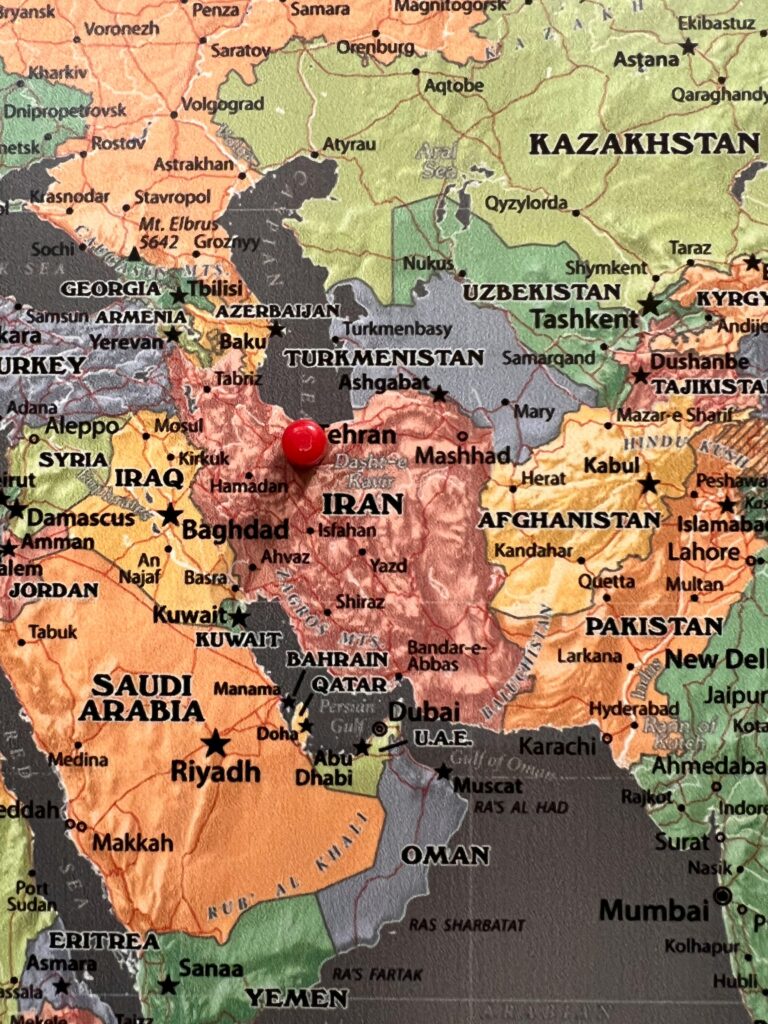
A few weeks ago we published a breakdown of why UK energy bills are shaped by global events rather than just how much you use. The structure of the UK energy market means conflict, supply disruptions, and geopolitical tension feed directly into what you pay. That has not changed. But the situation around it has kept moving, and that is what this post is about as we look ahead to energy bills 2026.
The April Drop Is Real. So Is What Comes Next.
Understanding the Impact of Fluctuating Energy Bills 2026
Bills fell in April 2026. The price cap dropped by 7%, bringing the typical annual bill to around £1,641. That is welcome, but it is worth being clear about what drove it. The reduction is largely the result of policy costs being shifted off bills, not a meaningful fall in the underlying cost of energy.
Typical bills are still 35% higher than they were in winter 2021/22.
And the relief looks short-lived. Forecasts from Cornwall Insight point to the typical annual bill rising to around £1,836 for the July to September 2026 period, reversing much of the April reduction. The reason is straightforward. Ongoing conflict in the Middle East has pushed wholesale prices higher again, and that is feeding through into cap forecasts for the second half of the year.
There is currently no confirmed forecast beyond October 2026, reflecting wider uncertainty in global energy markets. That is not a technicality. It means nobody can tell you with any confidence what your bill will look like in twelve months.
What Has Actually Changed?
Energy prices have always moved. But there is a difference between prices moving within a range people broadly understand and prices being genuinely difficult to forecast at all. It’s becoming almost impossible to forecast uk energy bills in 2026.
Before the crisis that began in 2021, energy was largely predictable. Bills crept up slowly. Most households could budget for them without thinking too hard. That predictability has gone, and it has not come back.
While the most severe price spikes have eased, the structural causes of high energy prices will take years to resolve. Infrastructure investment, the transition away from gas, and ongoing global instability all mean that volatility is now a permanent feature of the market rather than a temporary one.
The UK is particularly exposed to this. As we covered in the previous post, the marginal pricing system means gas still sets the price of electricity most of the time, even when renewables are generating well. So events happening thousands of miles away continue to land directly on household bills.
The Bank of England’s own assessment noted that the UK faces higher energy prices as a result of current Middle East tensions, with significant uncertainty around how much higher and for how long. When the central bank is describing the outlook as uncertain, that is worth taking seriously.
What Solar Actually Does to This Problem
Solar is not a fix for the energy market. It does not protect you from every variable, and we would not pretend otherwise.
What it does is reduce how much of your consumption is exposed to those variables.
The portion of your electricity that comes from your own roof costs the same regardless of what happens in the Middle East, regardless of what Ofgem announces in February, and regardless of what direction wholesale gas prices move in the next quarter. That portion of your bill is fixed, not by a tariff that a supplier can change, but by the fact that the electricity is yours.
For most households with a well-sized system and battery storage, that means a significant share of daily consumption, lighting, appliances, charging, comes from generation rather than the grid. The import consumption that remains is smaller, which means the part of your bill that fluctuates with global events is smaller with it.

That is a different argument to the one often made about solar. It is not primarily about saving money in a rising market, though that matters too. It is about reducing your exposure to something that has become genuinely hard to predict.
What We Know and What We Don’t
Bills may fall further later in 2026. They may rise again. The honest answer is that nobody knows, and the forecasting tools that would normally give some confidence are, by the admission of the people who build them, currently unreliable.
What is not uncertain is that the UK energy market remains structurally tied to global gas prices, that the infrastructure and policy costs built into bills are not going anywhere, and that the pattern of the last four years, prices rising fast and falling slowly, has not given anyone reason to expect something different.
Contact Us To Discuss What Packages Are Available To Help
If you want to talk through what a solar and battery installation would mean for your household specifically, call us on 0800 644 6887 or use our free remote survey form to get a quote based on your property and location.