
If your energy bill has felt unpredictable over the past few years, that’s because it is. What you pay in the UK is no longer just about how much gas or electricity you use. It’s tied to global markets, government policy, infrastructure costs, and a pricing system most people have never heard of.
UK energy bills are more complex than they appear. This post breaks down what actually moves your bill, and how global instability feeds directly into it.
The Starting Point: What a UK Energy Bill Actually Is
Before looking at war, supply chains, or global politics, you need to understand one thing clearly:
Your bill is not just “energy”.
According to the UK Government and Ofgem, a typical household bill is made up of several components:
- Wholesale energy (buying gas and electricity)
- Network costs (moving energy around the country)
- Policy costs (government schemes and levies)
- Supplier operating costs and margin
- Standing charges (daily fixed fees)
The most important point:
Wholesale energy is the single biggest driver, it’s around 40% of your bill.
1. Global Gas Prices: The Real Driver Behind Everything
If you strip everything back, UK energy bills are still fundamentally driven by gas.
Even if you don’t use much gas yourself, it still controls what you pay for electricity.
Why gas matters so much
The UK electricity market works on something called marginal pricing.
In simple terms:
- The most expensive form of energy used at any given time sets the price
- That is usually gas-fired power
So even if:
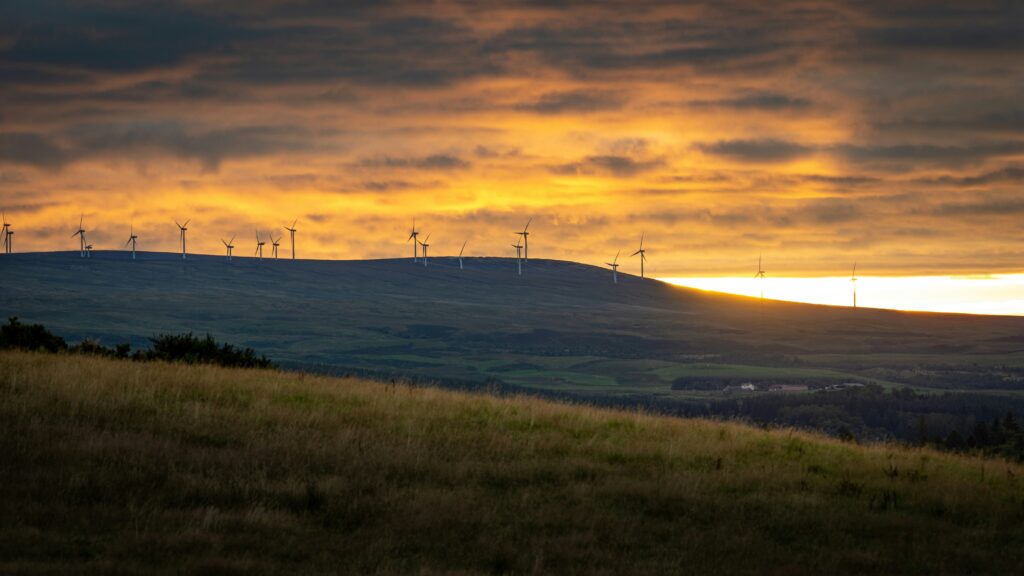
- Wind is cheap
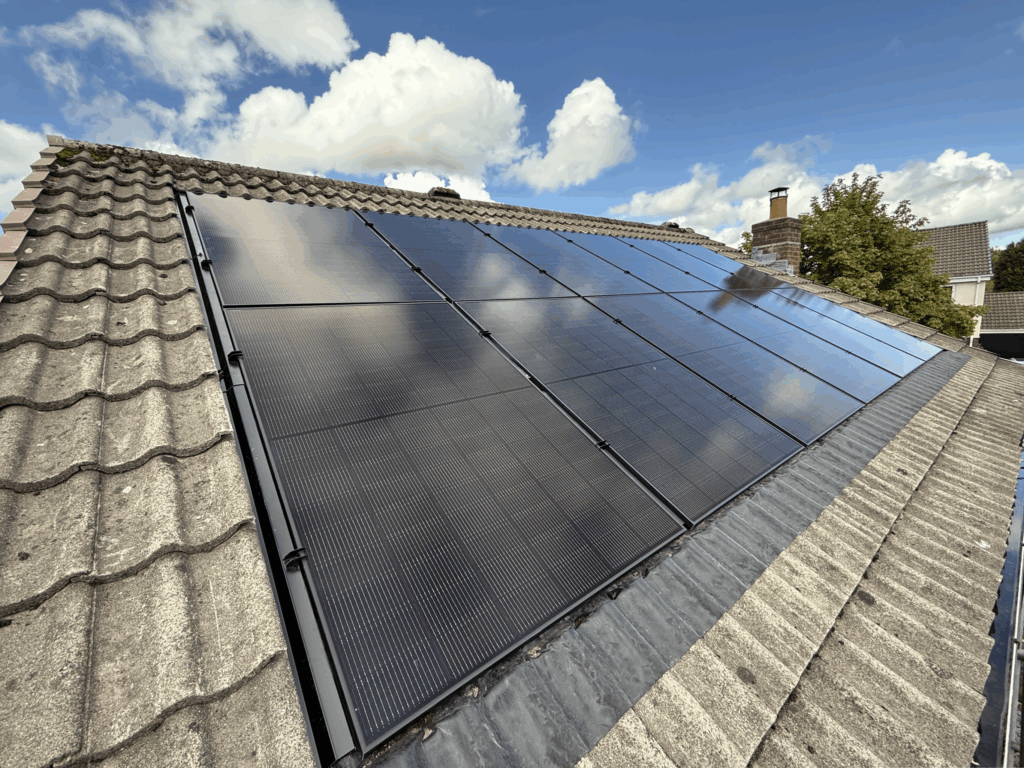
- Solar generated at uk solar farms is cheap
Gas still sets the final price most of the time.
In fact, gas has been setting UK electricity prices the majority of the time due to how the system is structured.
What global events do to gas prices?
This is where the current global situation comes in.
Gas prices rise when:
- There is conflict in major energy regions (Middle East, Russia, Ukraine)
- Supply routes are disrupted
- Countries compete for limited supply (especially LNG)
Recent instability and conflict have already pushed wholesale prices higher again, and suppliers react quickly to that.
What that means for UK households and UK energy bills
When global gas prices rise:
- Suppliers pay more to buy energy
- The Ofgem price cap rises
- Your bill goes up
Even now, gas-related costs are still adding roughly £300 per year compared to pre-crisis levels.
That’s the real legacy of global instability.What that means for UK households
When global gas prices rise:
- Suppliers pay more to buy energy
- The Ofgem price cap rises
- Your bill goes up
Even now, gas-related costs are still adding roughly £300 per year compared to pre-crisis levels.
That’s the real legacy of global instability.
2. The Ofgem Price Cap: Why Bills Move in Steps
In the UK, most households are on a default tariff. That means your price is controlled by the Ofgem price cap.
This is not a cap on your total bill. It’s a cap on:
- Unit rates (per kWh)
- Standing charges
And it changes every 3 months.
Where the price cap comes from
The price cap is calculated based on:
- Wholesale energy costs (largest factor)
- Network costs
- Policy costs
- Supplier costs
Ofgem reviews all of this and adjusts prices quarterly.
Current reality (April 2026)
- Typical annual bill (Jan–Mar 2026): ~£1,758
- Falling to ~£1,641 from April 2026
That drop doesn’t mean energy is “cheap again”.
It just means:
- Wholesale prices eased slightly
- Government shifted some costs away from bills
Bills are still significantly higher than before the crisis.
3. The UK’s Structural Problem: Electricity Is Tied to Gas
This is one of the least understood parts of the system.
The UK generates a large share of electricity from renewables.
But that doesn’t mean cheap electricity.
Because of how pricing works:
- Electricity prices are still tied to gas
- Even when renewables are generating
That’s why:
- The UK can have strong wind output
- And still have expensive electricity
This is not a supply issue,It’s always been a pricing system issue.

How this impacts the UK during global instability
When gas prices spike globally:
- Electricity prices rise with them
- Even if renewable generation is high
That’s why events happening thousands of miles away still hit UK electricity bills directly.
4. Network Costs: The Hidden Increase
A growing part of your bill has nothing to do with energy itself.
It’s the cost of:
- Maintaining the grid
- Upgrading infrastructure
- Connecting new renewable projects
These costs are increasing.
And they are passed directly onto bills.
The reality
Even if wholesale prices fell to zero:
- Bills would still exist
- And would still be substantial
Energy companies have already warned that non-energy costs alone could keep bills high long term.
This is why bills don’t fall as quickly as people expect.
5. Policy Costs: Government Decisions on Your Bill
Part of your bill funds government programmes, including:
- Renewable energy subsidies
- Energy efficiency schemes
- Social support (e.g. Warm Home Discount)
These costs currently add around £200+ per year to a typical bill.
Does policy affect what you pay?. It can, but…
Governments can:
- Move these costs onto taxation
- Or keep them on energy bills
Recent policy decisions have already shifted some levies off bills to reduce pressure.
But the overall cost doesn’t disappear. It just moves.
6. Standing Charges: The Bit You Pay No Matter What
Standing charges are the daily fees for:
- Being connected to the grid
- Maintaining infrastructure
They apply whether you use energy or not.
Recent figures show:
- Electricity standing charge ~57p per day
- Gas ~29p per day
Why people are frustrated with them
Even if you reduce usage:
- You still pay hundreds per year
And changes to these charges often:
- Shift costs rather than remove them
7. Supply Chains and Infrastructure Pressure
The global situation doesn’t just affect gas prices.
It also affects:
- Energy infrastructure projects
- Equipment costs (transformers, cables, renewables)
- Investment timelines
Delays or increased costs here feed into:
- Network costs
- Policy costs
- Long-term pricing
8. The UK’s Energy Security Problem
The UK imports a significant portion of its energy.
That means it is exposed to:
- Global competition for gas
- Currency fluctuations
- Supply shocks
Unlike countries with large reserves or storage, the UK:
- Has limited gas storage
- Relies heavily on imports
That makes the UK more sensitive to global disruption.
9. Why Bills Don’t Drop Quickly
One of the biggest frustrations is this:
Prices go up fast.
They come down slowly.
There are reasons for that:
- Suppliers buy energy in advance (hedging)
- Infrastructure costs don’t fall
- Policy costs remain
- The price cap updates quarterly, not instantly
So even when global prices ease, It takes time to filter through, if at all. Prices tend to stay higher than before the issue that caused the increase.
10. What Actually Changes Your Bill?
If you strip everything back, UK energy bills move because of:
1. Global gas prices
Driven by:
- War
- geopolitics
- supply constraints
2. The electricity pricing system
Gas still sets the price
3. Government policy
Levies, subsidies, and interventions
4. Infrastructure costs
Grid upgrades and maintenance
5. Your usage
Still matters, but not the only factor
6. The Ofgem price cap
Controls how all of the above reaches your bill
The current global situation absolutely affects your energy bill, but not in a vague or abstract way.
It’s direct:
- Conflict pushes up gas prices
- Gas prices set electricity prices
- Ofgem adjusts the price cap
- Your bill changes
At the same time:
- Infrastructure costs are rising
- Policy costs are built in
- The system itself keeps electricity tied to gas
So even when headlines say prices are “falling”, the reality is UK energy bills are still structurally higher than they were before the crisis, and they remain exposed to global instability.
The long-term solution being pushed is simple in principle:
- Reduce reliance on gas
- Increase domestic energy generation
- Stabilise pricing
But right now, the UK is still in transition.
And until that changes, your energy bill will continue to be shaped as much by global events as by what happens inside your own home.
If you want to take control of your electricity spending, a solar panel and battery installation is the most immediate and practical step you can take to reduce the inevitable price increases. Call us on 0800 644 6887 to discuss your requirements, or use our no obligation, free, remote survey form to get your quote based on your property and location.